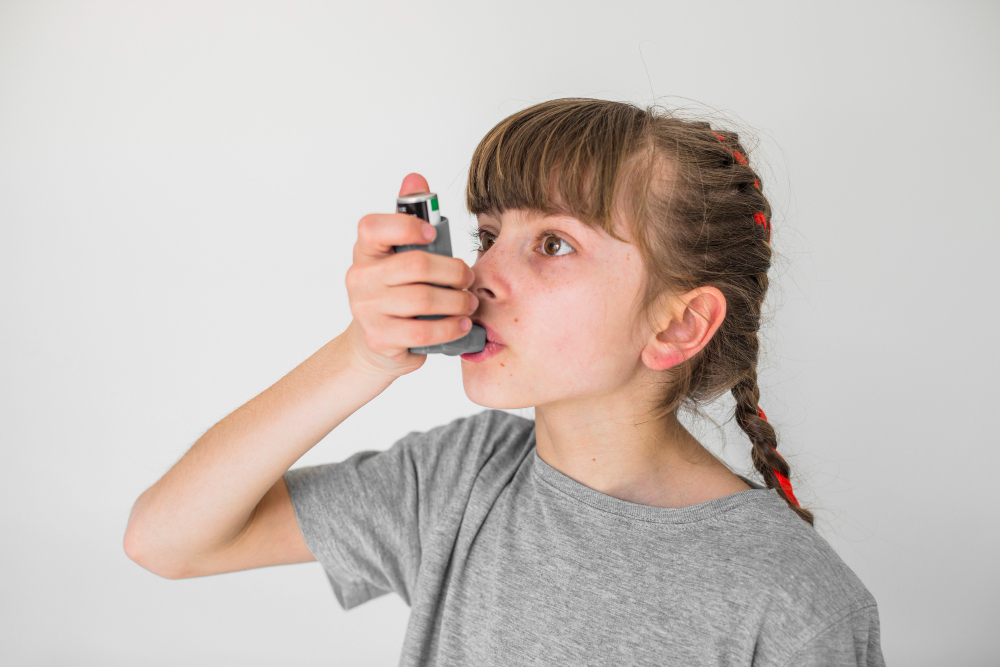
What is Seasonal Asthma in Children?
Seasonal asthma in children is a type of asthma that gets worse during certain times of the year. Often, this happens in spring or fall. During these seasons, pollen and other triggers are more common. As a result, many kids have more breathing problems. Managing childhood asthma can be easier when you know what to expect each season.
Common Symptoms of Seasonal Asthma
It is important to spot the signs of seasonal asthma in children early. This helps you take action quickly. Look for these symptoms:
Sometimes, symptoms may be mild. However, they can get worse quickly if not managed well.
Causes and Triggers
Many things can trigger seasonal asthma in children. Knowing these triggers helps you avoid them. Common asthma triggers in kids include:
For some children, exercise or viral infections can also make symptoms worse. Therefore, it is important to watch for these triggers during high-risk seasons.
Diagnosis and When to See a Doctor
If you think your child has seasonal asthma, see a doctor. Early diagnosis helps with better pediatric asthma care. The doctor may:
Sometimes, symptoms can be severe. If your child has trouble breathing, cannot speak, or their lips turn blue, seek emergency care right away.
Effective Treatment Options
There are many seasonal asthma treatment options for children. Your doctor will suggest the best plan. Treatment may include:
With the right care, most children can control their symptoms and stay active.
Home Care and Lifestyle Tips
Good home care helps manage childhood asthma. Here are some tips:
Additionally, teach your child to tell you if they feel symptoms starting. This helps you act fast.
Prevention Strategies
Preventing asthma attacks is possible with some planning. Try these prevention strategies:
By following these steps, you can lower your child’s risk of asthma flare-ups.
Frequently Asked Questions (FAQ)
Consult Breathe Well Pulmonology and Speciality Clinics for personalised advice on managing your child’s seasonal asthma.